China and the European Union have reached a new understanding on how prices for Chinese electric vehicles sold in Europe should be handled. The agreement is meant to reduce trade tensions and create a clearer path forward after years of investigation and rising tariffs.
Both sides agreed that general guidance on price undertakings is needed for Chinese exporters that ship battery electric passenger vehicles to the EU. This approach allows companies to address EU concerns in a more practical and targeted way while staying aligned with World Trade Organization rules.
According to China’s Ministry of Commerce, the goal is to resolve disputes through dialogue instead of long term trade conflict.
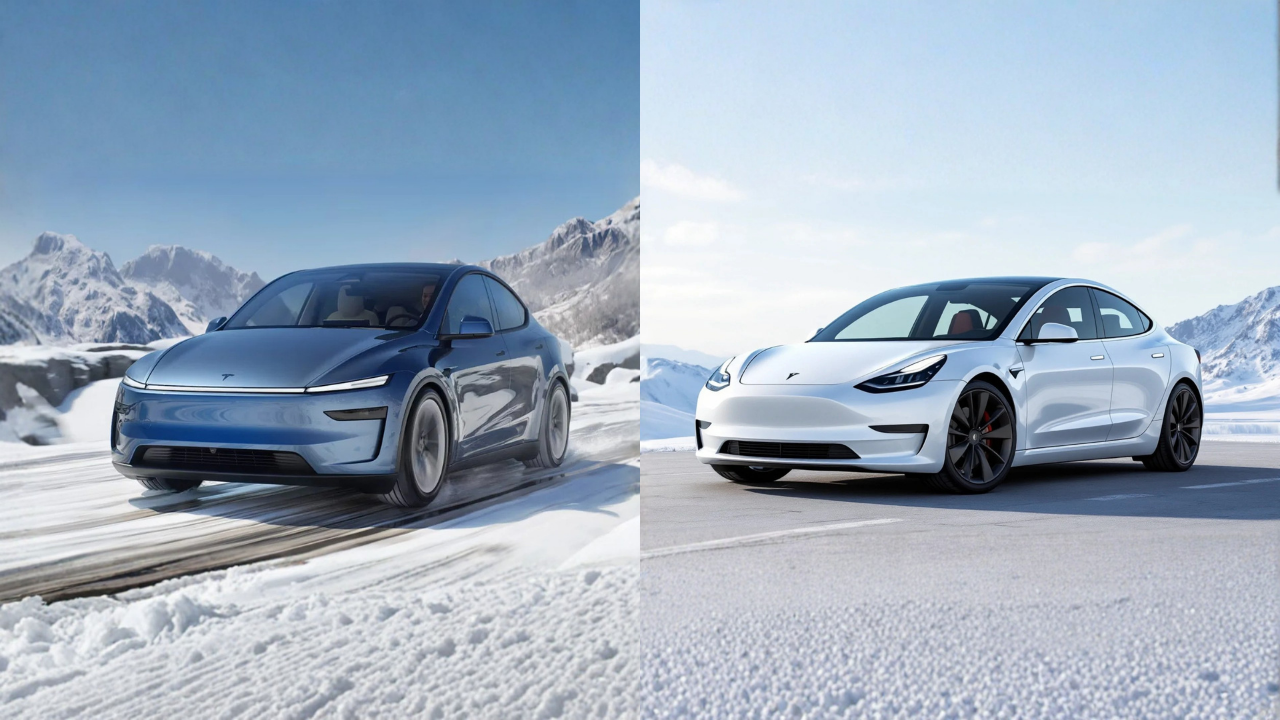
For Tesla, this development is especially important. Tesla builds vehicles in China and exports some of them to Europe. Under the current tariff structure, Tesla faces an additional 7.8 percent duty on top of the standard 10 percent EU import tariff. This is significantly lower than the rates applied to many other Chinese-made EVs, such as BYD at 17 percent and Nio and Xpeng at 20.7 percent. The new pricing framework could help limit further uncertainty for Tesla’s China to Europe supply chain.
The European Commission plans to release a formal guidance document explaining how price undertaking offers should be submitted and reviewed. Each proposal will be assessed using the same legal standards and the principle of non-discrimination. This gives companies a clearer rulebook and reduces the risk of sudden policy shifts.
The background to this agreement goes back to October 2023, when the EU launched an anti-subsidy investigation into battery electric vehicles imported from China. The EU claimed Chinese subsidies were distorting competition. In October 2025, the investigation concluded with the EU deciding to impose additional tariffs for five years. Talks on price undertakings continued alongside those measures, leading to the current consensus.
China and EU officials said the agreement shows both sides are willing and able to solve disagreements within the WTO framework. They described the outcome as supportive of stable China-EU trade ties and the broader rules-based global trade system.
The China Chamber of Commerce to the European Union called the agreement a soft landing for the EV dispute. It said the deal should improve market confidence and create a more predictable environment for companies investing and operating in Europe. The group also emphasized that the strength of China’s EV industry comes from technology, scale, and competition, not subsidies.
For Tesla, the agreement offers more visibility at a time when Europe remains a key market. Clearer pricing rules and a lower relative tariff burden help Tesla stay competitive while continuing to balance production between China and Europe.
Source: China Ministry of Commerce, European Commission, China Chamber of Commerce to the European Union